Premium Lawn Care Services: Your Path to a Lush, Vibrant Lawn
Professional lawn care services play a vital role in preserving a lush and thriving lawn. Such professionals understand regional conditions and offer customized solutions for soil health, fertilization, and pest control. Homeowners often overlook the benefits of expert intervention. A carefully maintained lawn not only boosts curb appeal but also contributes to property value. Yet, finding the right service can be challenging. What criteria should homeowners evaluate when looking for professional help?
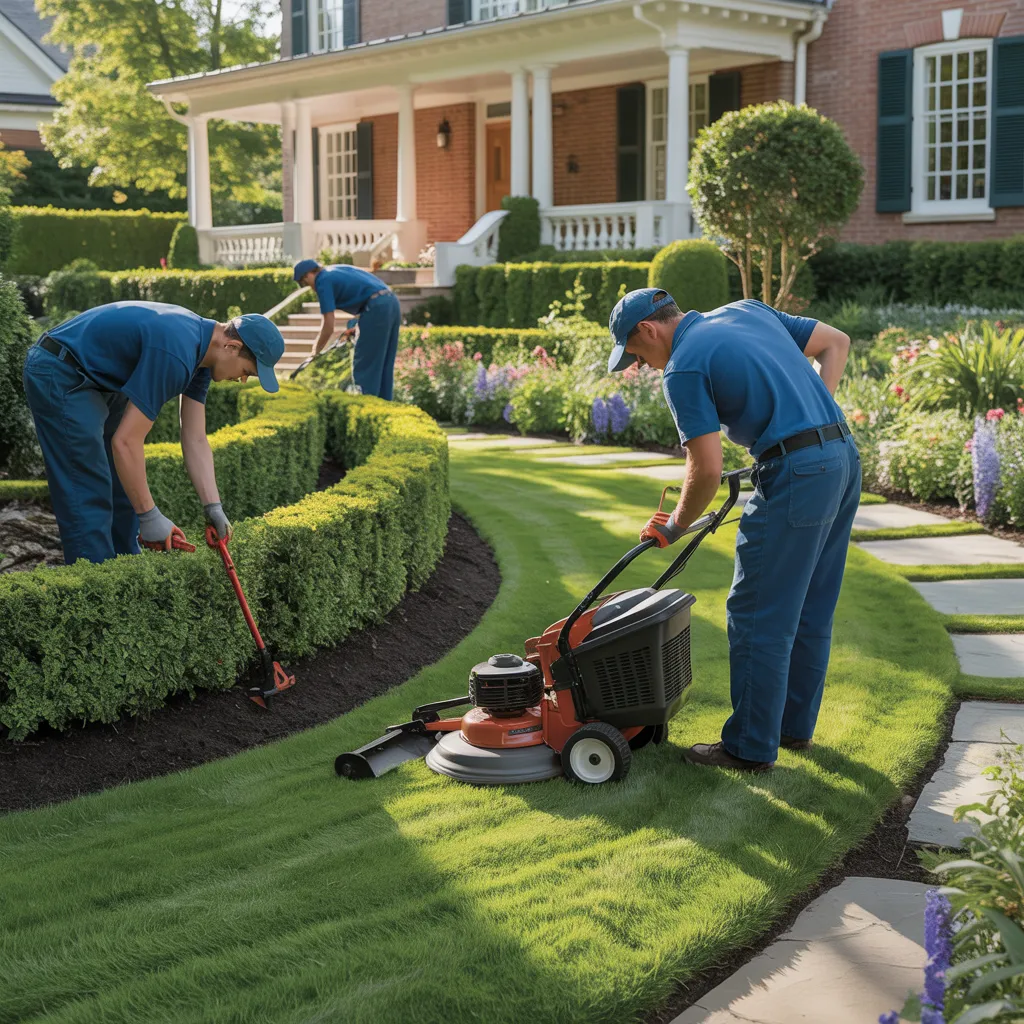
Why Professional Lawn Care Matters for Your Home
Even though many homeowners choose to tackle lawn upkeep themselves, expert lawn care services deliver vital expertise that considerably boosts the health and aesthetics of a property's exterior landscape. Such professionals carry extensive knowledge of local soil composition, climate influences, and turf varieties, which allows them to craft targeted care approaches that deliver exceptional results. Their experience enables learn the details them to identify potential issues before they escalate, guaranteeing that lawns stay healthy and thriving.
Moreover, professional companies leverage cutting-edge equipment and top-tier products that are generally inaccessible to the typical homeowner. This serves to boost efficiency while also improving the general effectiveness of lawn treatments. By working with specialists, homeowners can conserve time and minimize the likelihood of expensive errors. When all is considered, investing in professional lawn care encourages a healthier environment and elevates the aesthetic value of a property, leading to greater property value and enhanced enjoyment of outdoor areas.
Key Lawn Care Services: What the Pros Offer
Comprehensive lawn care services include vital responsibilities that support a thriving landscape. Primary services feature soil health assessments to evaluate nutrient levels, nutrient application and fertilization programs to encourage healthy development, and targeted pest and weed management to preserve lawn integrity. Such services ensure that lawns stay lush and thriving across all seasons.
Soil Quality Evaluation
Achieving a thriving lawn starts with well-maintained soil, making soil health assessment a critical service provided by lawn care experts. This process encompasses examining soil makeup, pH balance, and nutrient levels to gauge the overall state of the soil. Skilled technicians use dedicated instruments and approaches to obtain samples and assess them thoroughly. Through detecting shortfalls or irregularities, they are able to suggest suitable corrections and methods customized to the unique requirements of the lawn. Furthermore, soil health evaluations aid in comprehending the microbial processes within the soil, which play a vital role in nutrient cycling. In the end, a comprehensive evaluation establishes the foundation for successful lawn care practices, guaranteeing that the lawn gets the necessary support for optimal growth and durability.
Nutrient Management and Fertilization
Fertilization and nutrient management are critical aspects of successful lawn maintenance, directly influencing the health and appearance of the grass. Specialists analyze the specific nutrient needs of the lawn, often utilizing soil tests to detect nutrient gaps. This customized method ensures that the correct fertilizers are used, fostering superior growth and durability. Lawn care experts typically recommend a balanced mix of nitrogen, phosphorus, and potassium, which are essential for vigorous development. Moreover, they time applications according to seasonal demands, optimizing nutrient absorption while reducing excess. Correct scheduling and methods in fertilization not only improve the lawn's aesthetic quality but also boost its comprehensive wellness, resulting in a vibrant, verdant lawn that withstands environmental stressors effectively.
Pest & Weed Control
Preserving a thriving lawn necessitates diligent pest and weed control, as these intruders can quickly deteriorate its condition. Skilled lawn care specialists utilize numerous techniques to efficiently address pests and weeds, ensuring the lawn stays healthy and flourishing. Integrated Pest Management (IPM) methods are widely implemented, blending biological, cultural, and chemical solutions to limit damage to beneficial creatures. Moreover, specialists recognize distinct weeds and pests, adapting their methods to combat these problems without disrupting the surrounding ecosystem. Consistent observation and prompt action are critical, since timely identification can avert significant harm. Through the use of sophisticated equipment and expertise, specialists not only eradicate existing infestations but also establish preventative solutions, guaranteeing lasting lawn vitality and visual attractiveness.
Selecting the Best Lawn Care Service: Important Factors to Consider
What steps can homeowners take to ensure they choose the right lawn care service for their situation? The first step involves identifying their individual requirements, such as the size of their lawn, the services they need, and how much they can spend. Researching local companies is essential; homeowners can read reviews and ask for recommendations from neighbors. Checking credentials is equally important, as homeowners should confirm that the provider holds proper licensing, insurance, and certification from recognized industry bodies.
Furthermore, potential clients should inquire about the service options, including organic options and customized care plans. A reliable service will present a thorough, well-structured plan covering the scope, pricing, and schedule. Furthermore, clients should assess service responsiveness; clear dialogue and timely responses are important signs of a trustworthy service.
Finally, scheduling a consultation can help homeowners evaluate a company's knowledge and professional standards. By taking these elements into account, homeowners can arrive at well-informed choices and ultimately enjoy a lush, healthy lawn customized to suit their specific requirements.
What Happens in a Lawn Care Consultation?
What should homeowners anticipate during a lawn care consultation? Initially, a professional will evaluate the property, reviewing the lawn's general condition, soil composition, and current plant life. This assessment helps pinpoint specific problems, such as pests, diseases, or nutrient deficiencies. Homeowners may be asked questions regarding their lawn care goals, preferences, and any previous treatments.
Upon completing the assessment, the expert will provide tailored recommendations. Such recommendations might cover the kinds of treatments and fertilizers required, as well as a suggested upkeep plan. Homeowners will further be given instruction regarding best practices for mowing, watering, and pest control.
The consultation generally ends with a review of expenses and service selections, allowing homeowners to make informed decisions. This collaborative approach guarantees that the homeowner's vision is balanced with professional insight, setting the foundation for a thriving lawn.
Seasonal Lawn Care Tips: Approaches to a Lush and Vibrant Lawn
Proper lawn maintenance demands a periodic method to guarantee optimal growth and health. In spring, preparation essentials set the foundation for a thriving lawn, while warm-season care methods serve to preserve its vigor. As autumn arrives, applying seasonal cleanup methods becomes essential for the lawn's endurance during winter months.
Essential Spring Preparation Tips
As spring approaches, homeowners must prepare their lawns for the growing season ahead. The first step involves cleaning up debris, such as leaves and branches, which can suffocate the grass beneath, sets the stage for a healthy lawn. Soil aeration plays a key role, enabling water and nutrients to reach deeper layers and encouraging strong root development. Evaluating the soil pH helps inform fertilization decisions, ensuring the right nutrient balance for lush, healthy grass. Homeowners should also consider overseeding to fill in bare patches and enhance the lawn's density. The application of a pre-emergent herbicide can be instrumental in keeping invasive weeds from taking hold. Lastly, setting up a consistent watering routine is critical, since steady moisture levels play a significant role in maintaining a flourishing lawn. These fundamental spring lawn care steps lay the groundwork for a lush and lively outdoor environment.
Summer Maintenance Techniques
Maintaining a vibrant lawn during the warmer months requires consistent care and proven methods. Adequate irrigation is crucial; lawns typically demand about one inch of water per week, optimally delivered early in the morning to minimize evaporation. Trimming at the appropriate height—generally around three inches—supports robust root systems and minimizes turf stress. Moreover, regular fertilization with a slow-release nitrogen product promotes vigorous growth while preventing grass burn. Aeration can alleviate soil compaction, enabling essential nutrients and air to reach the roots. Lastly, monitoring for insects and lawn diseases ensures prompt treatment, preserving the integrity of your grass. By following these practices, homeowners can enjoy a lush, durable lawn during the entire summer season.
Autumn Yard Cleanup Methods
A detailed fall cleanup is vital for readying a lawn for the harsh months ahead. The process starts with raking leaves to avoid smothering the grass, which may result in mold and disease. Additionally, homeowners should clear away any debris, such as branches or dead plants, to promote healthy growth in the spring. Aerating the soil is also an essential step, as it improves water penetration and nutrient absorption. Applying a fall fertilizer can also bolster the lawn's resilience against winter stress. To conclude, overseeding can enhance density and address bare spots, securing a lush, green lawn when warmer weather comes back. Implementing these strategies will help create a thriving lawn ready to endure winter's challenges.
Steer Clear of These Common Lawn Care Mistakes
Successful lawn maintenance depends on awareness and proper technique, yet many homeowners inadvertently commit common errors that can undermine their hard work. Among the most typical issues is improper mowing height; cutting grass too short can damage root systems and encourage weed growth. Furthermore, watering too frequently is a widespread concern, leading to shallow root systems and increased susceptibility to disease. Homeowners often overlook soil health too, failing to measure soil acidity or replenish essential nutrients.
Another common pitfall is using fertilizers or pesticides without understanding their application rates, which can harm both the lawn and the environment. Timing is vital; applying treatments at the wrong season can yield poor results. Finally, many neglect proper aeration, failing to relieve soil compaction that restricts vital air and water flow. By understanding these mistakes, property owners can better approach their lawn care, resulting in a vibrant and thriving landscape.
Basic Tips for Looking After Your Lawn Between Services
Consistent lawn maintenance between professional visits can greatly enhance the vitality and aesthetic of a lawn. A great starting point for homeowners is regular mowing, ensuring blades are sharp to avoid tearing grass. Keeping grass at a height of approximately three inches supports deeper rooting and preserves essential moisture in the soil.
Irrigation is crucial, but it should be done early in the morning to limit water evaporation. A deep soak one to two times per week is preferable to light and frequent water applications.
Managing weeds is another essential responsibility; manually removing weeds or applying selective herbicides can stop them from stealing nutrients from your grass.
Fertilizing following a schedule designed around your grass variety and soil composition will supply essential nutritional elements.
Finally, lawn aeration performed one to two times annually supports better soil conditions and improves moisture absorption. By following these simple tips, property owners can keep their lawn lush and healthy in between professional visits.
Questions We Often Receive
How Frequently Should I Get My Lawn Professionally Maintained?
The majority of experts suggest getting your lawn professionally maintained at 4 to 6 week intervals over the course of the growing season. This frequency guarantees optimal health, appearance, and upkeep, facilitating timely applications and changes based on seasonal needs.
What Types of Tools Do Lawn Care Professionals Use?
Lawn care professionals utilize a range of equipment, including trimmers, mowers, blowers, seeders, and aerators. These tools enable them to maintain lawns efficiently, guaranteeing superior health, beauty, and development throughout different seasons.
Are There Organic Lawn Care Choices Available?
Organic lawn care options are indeed available. These approaches make use of natural fertilizers, compost, and environmentally friendly pest control, promoting healthier soil and ecosystems while reducing chemical exposure. Many professionals now incorporate organic practices into their services.
Do Lawn Care Services Provide Pest Control Assistance?
Certainly, professional lawn care providers can aid in pest control by implementing a range of approaches and remedies. These professionals analyze pest issues, recommend appropriate solutions, and implement effective solutions to sustain a lush, thriving lawn while limiting pest concerns.
What Steps Should I Take if My Lawn Displays Signs of Disease?
Should a lawn exhibit signs of illness, it is important to assess the visible symptoms, enhance the drainage system, revise watering schedules, and administer the proper remedies. Seeking expert advice for a proper diagnosis and customized solutions is often advisable for achieving optimal results.